Practitioners first.
Every faculty member teaching this training is also a practitioner of the work. They bring years of practice, teaching, group leadership, creative work, and clinical experience into the room. Each has developed a way of working that is distinctly their own, and each teaches from a depth of experience that allows for discernment, responsiveness, and real mastery.
The faculty is part of what gives the School its character. What students encounter is not only a curriculum, but a group of people who have spent years living with the work, testing it, refining it, and discovering what it asks of them in practice.
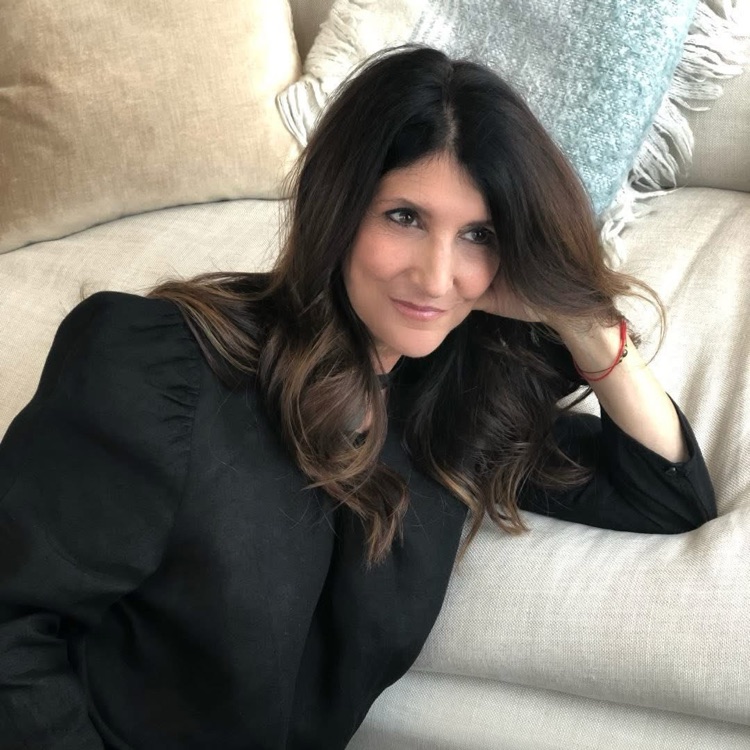
Sherri Brown
ACCEP, EMM | CO-FOUNDER | FACULTY
Sherri Brown co-founded The School of Interpretive Somatics after years as senior faculty and serving on the Board at various Core Energetics Institutes. Those years gave her a deep respect for the work and a growing sense that something was missing: a container alive and dynamic enough to hold the creativity of the people practicing it. She built the School to be exactly that. A place where the work is interpreted rather than replicated, and where each guide brings their own unique gifts to how it's facilitated.
She maintains a full-time practice in New York City, working with individuals and couples around the world while also leading retreats, programs, and group process work throughout the year. Whatever the format, her focus is always the same: helping people live the fullest expression of themselves and step into the power that comes from knowing their purpose.
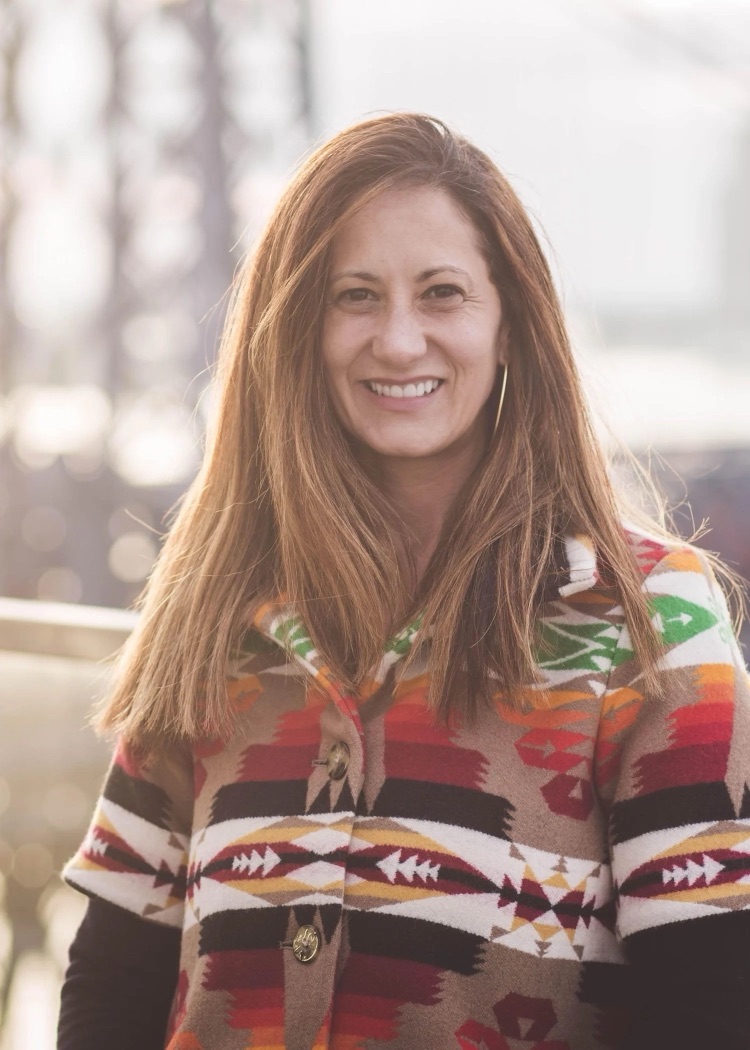
Leba Haber
RAP | CO-FOUNDER | FACULTY
Leba Haber co-founded The School of Interpretive Somatics after years of bringing together somatic practice, art, group process, and social inquiry. Before entering this work, she was a filmmaker, educator, and activist, directing projects supported by the United Nations, Ford Foundation, and Microsoft Research. That history still shapes how she works: with curiosity about the stories we inherit, the worlds that form us, and what becomes possible when we begin to experience ourselves differently.
For Leba, somatic work is both sacred and ordinary, personal and collective. She is interested in the body as a place where individual history meets culture, ancestry, creativity, and the possibility of change. She maintains a private practice, facilitates groups and somatic writing work, and brings an artist’s sensibility to everything she teaches: looking from many angles, experimenting with what is there, and making room for something new to emerge. Leba is based in Barcelona and returns to New York to teach and facilitate with the School.
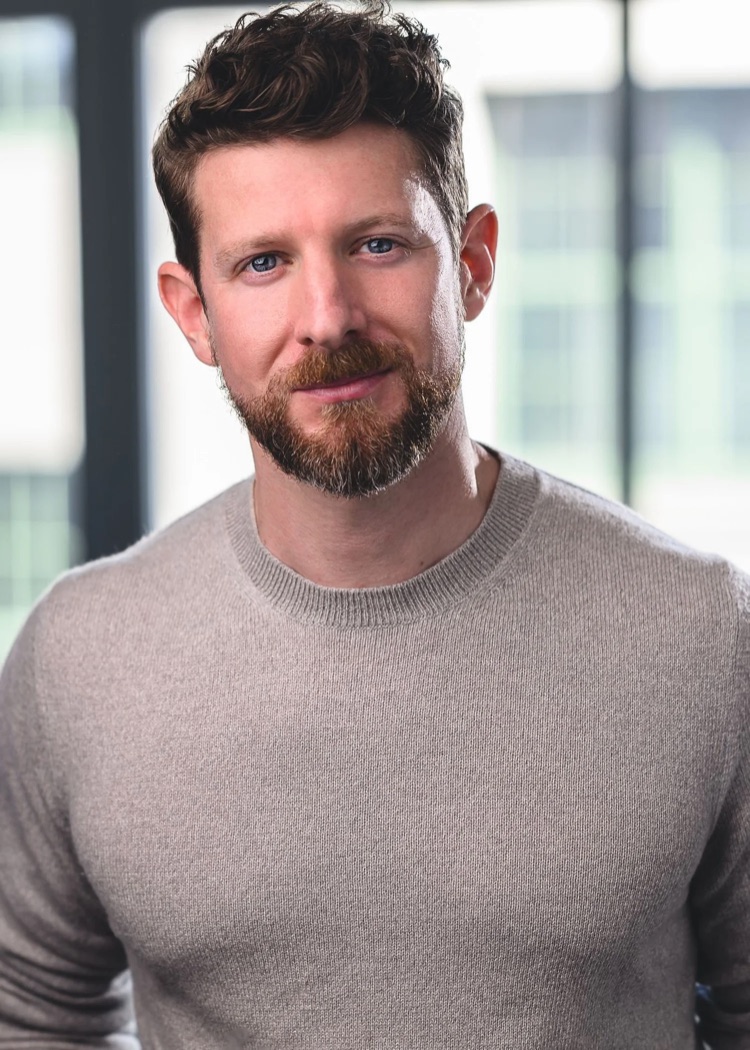
Mike Howell
ACCEP, EMM | CO-FOUNDER | FACULTY
Mike Howell co-founded The School of Interpretive Somatics out of a desire to create a training where transformation is not only understood, but lived — through the body, through relationship, and through the choices people make with what they discover. His own path into the work began unexpectedly. Trained as an actor at Syracuse University, he found Core Energetics at a point when the life he had built no longer felt like his own. What began as personal exploration became a profound reorientation of how he understood the body, relationship, expression, and change.
Mike trained at the New York Institute of Core Energetics and completed postgraduate training at the Netherlands Institute of Core Energetics. Today, his work draws from somatics, psychotherapy, spirituality, movement, and his background in performance without treating any one of them as the answer. He sees the body as a record of where we have been — and as one of the primary ways we discover where we can go next. Mike maintains a private practice in New York City, working with individuals, couples, and groups.
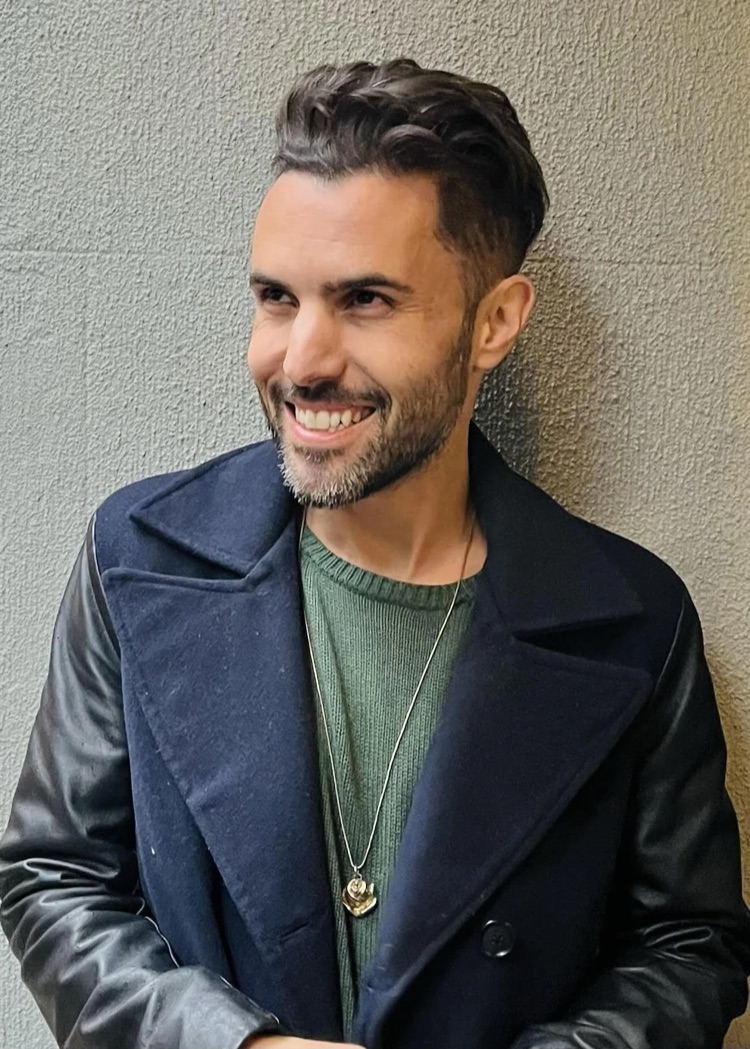
Craig Piaget
CCEP | CO-FOUNDER | FACULTY
Craig Piaget co-founded The School of Interpretive Somatics from a conviction that meaningful work with people needs room for more than one way of understanding them. His approach is driven by curiosity: about why we become who we become, what keeps familiar patterns in place, and what can happen when we stop assuming there is only one way through them. He brings body-based practice into conversation with Acceptance and Commitment Therapy, Internal Family Systems, attachment theory, and other ways of understanding human experience — not to build a larger collection of techniques, but to keep the work responsive to the person in front of him.
Craig brings warmth, humor, and playfulness to work that can also ask for considerable courage. He is interested in helping people take meaningful risks, encounter themselves more fully, and build lives that feel increasingly aligned with what matters to them. A graduate of the Core Energetics Institute in New York, Craig lives and maintains a private practice in Oakland, California, and returns to New York to teach and facilitate group work with the School.
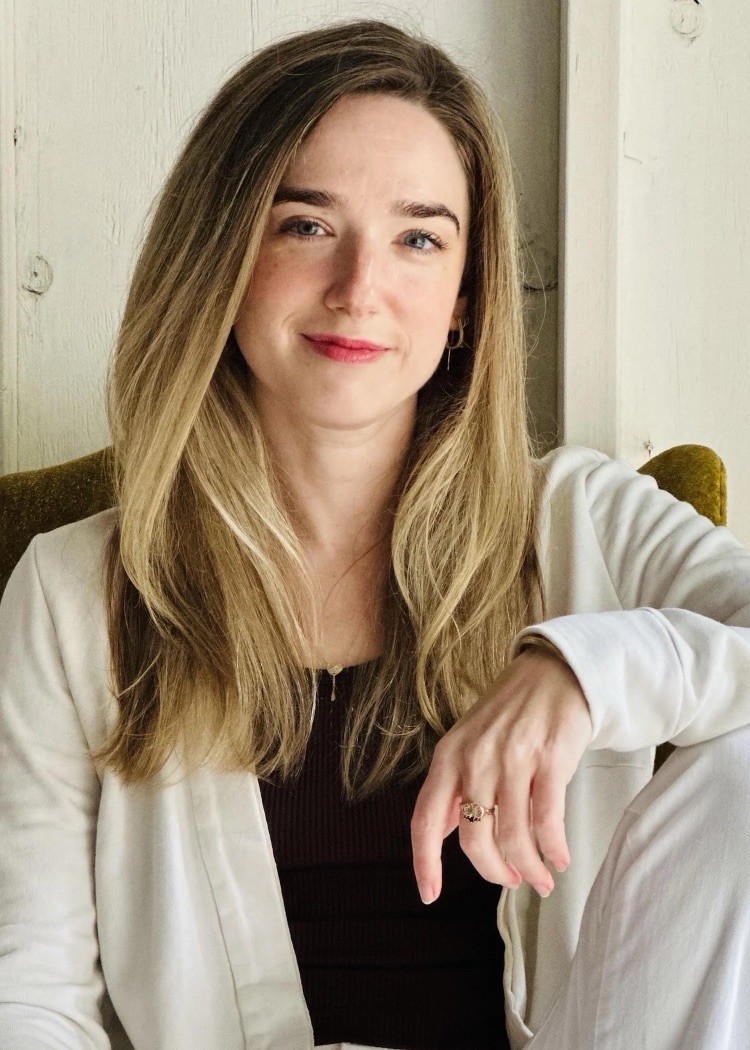
Lee Price
CCEP | JR. FACULTY
Lee Price is a Core Energetics practitioner, trauma-informed attorney, and memoir writer whose work is shaped by a deep attention to relationship, language, and the complexity of human experience. Before becoming a somatic practitioner, Lee spent years working as an attorney with survivors of domestic violence. That work taught her how much can depend on being able to stay present with another person, ask the right question, and help give language to experiences that have been difficult to name.
Those capacities remain central to the way Lee practices and teaches. She brings warmth, precision, and a willingness to stay with difficult emotional territory, helping people understand not only what has happened to them, but how it continues to live in the body and in relationship. Lee trained in Core Energetics in New York City and has additional training in understanding-based mediation and Relational Life Therapy. She lives and practices in Philadelphia.
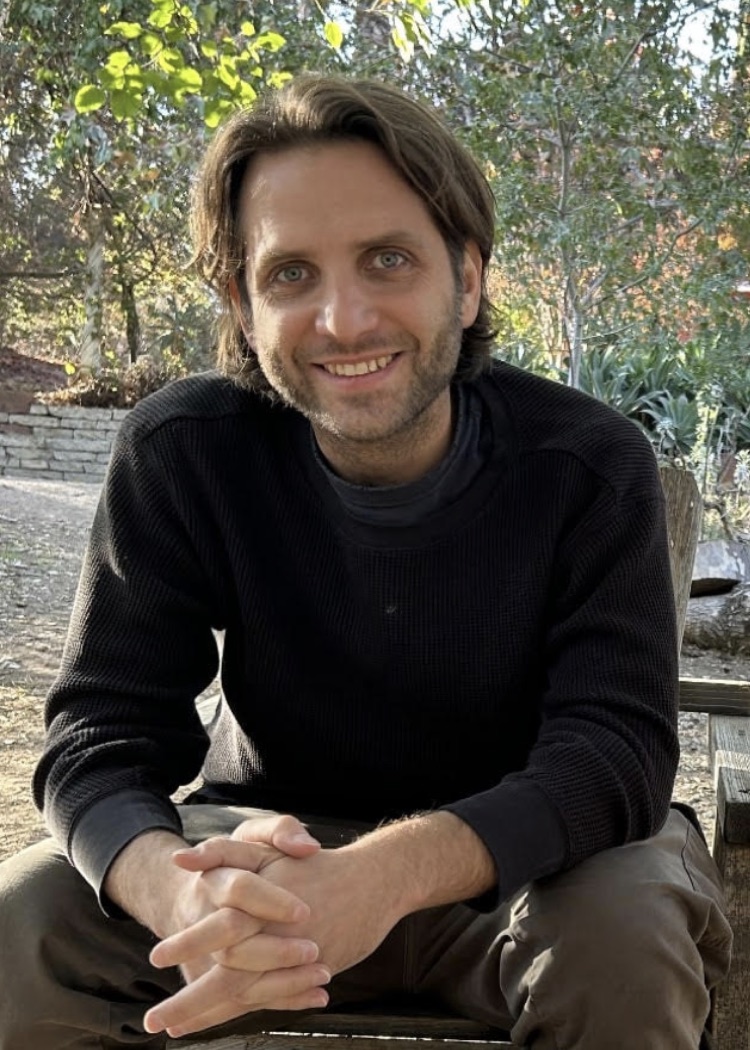
Max Azulay
CCEP | JR. FACULTY
Max Azulay is a Core Energetics practitioner, filmmaker, and writer who approaches somatic work as a creative collaboration. His background in storytelling shapes the way he sees people: not as problems to solve, but as lives already carrying characters, inherited narratives, unfinished scenes, contradictions, and possibilities that may not yet have found their form.
Max brings humor, playfulness, and imagination into the room alongside the willingness to stay with what is difficult. He is especially interested in the places where people feel stuck — in relationship, work, family, or their own creative lives — and in what can happen when familiar stories are experienced differently through the body. Max studied psychology and filmmaking at Sarah Lawrence College and Occidental College and maintains a remote private practice from Los Angeles.
A training is more than what is
taught.
It is also who you encounter there.